Cleaning Bluestone, Pavers and Decks Without Damaging Them
Every surface around your house has its own limits, and the wrong washing method can leave marks that outlast the dirt.
October 17, 2026 · 3 min read
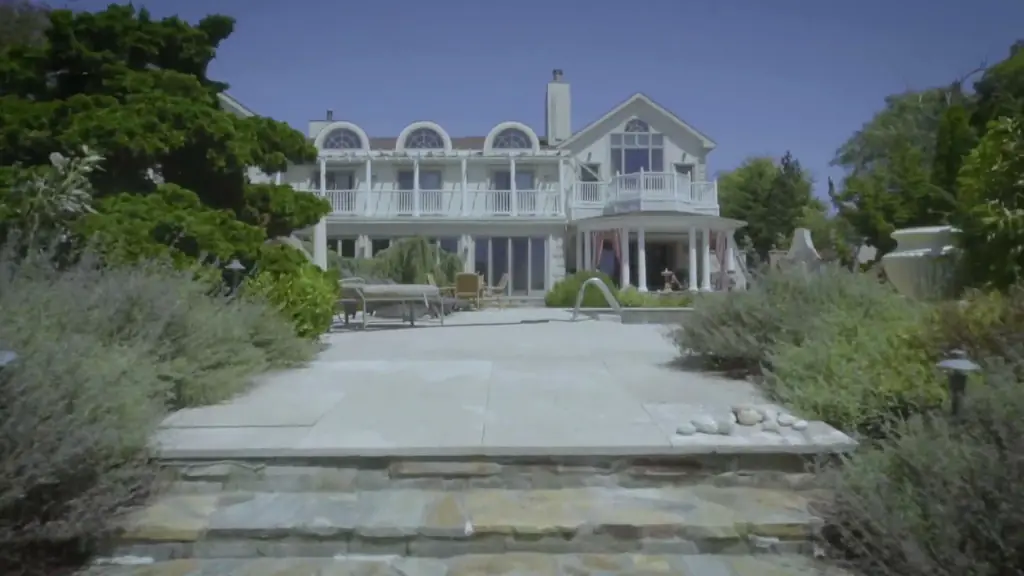
The outside of a Hamptons property is a patchwork of surfaces. A bluestone terrace leads to a brick walkway, which meets a paver driveway, which runs past a cedar or composite deck. Each one gets dirty in its own way, and each one can be damaged in its own way by a wash that is too aggressive.
Before anyone points a hose or a wand at your patio, it helps to know what you are working with and what that material will and will not tolerate.
What builds up on East End stone and concrete
Flat surfaces outdoors collect the same things in layers. Salt and sand come in with the wind. Leaves and pollen sit in the joints and hold moisture. Shady spots grow green and black films, which turn slick when wet. Drips from furniture, grills and planters leave stains that set into porous stone. Over a few seasons the surface goes from clean to dull to patchy, and that is when most owners call.
The stones themselves differ. Bluestone, travertine, flagstone and limestone are natural and can be porous or soft. Brick, pavers and concrete are more uniform but still have joints, edges and surface finishes that can be stripped or pitted. Treating them all with the same pressure and the same technique is how patios end up with stripes and etched patterns.
Surfaces we clean around the house
- Driveways in concrete, asphalt, paver and stone.
- Walkways and sidewalks in brick, pavers and concrete.
- Patios and terraces in bluestone, travertine, flagstone, limestone, brick and concrete.
- Paver and stone surfaces, where the joints matter as much as the faces.
- Commercial flat surfaces at restaurants, clubs, hotels and retail properties.
Flat-surface work uses equipment built for the job. Commercial-grade flat-surface cleaning equipment keeps the spray even across a wide area, which is the main thing that prevents the stripes and lap marks you sometimes see on a patio that was done with a hand wand.
Decks are a different animal
Wood and composite decks are the surfaces where we see the most damage from well-meaning washing. Wood fibers lift under force, leaving a fuzzy, rough finish that catches splinters and holds dirt. Composite and vinyl boards can be scuffed or marked. All of them handle a gentler approach better.
Decks on the East End come in a wide range of materials, including:
- Cedar and mahogany.
- Ipe and other Brazilian hardwoods.
- Pressure-treated lumber.
- Trex and TimberTech composites.
- PVC and vinyl decking.
For all of these, a gentle soft-wash method does the job. It treats the surface to loosen and kill what is growing on it, and rinses without gouging the boards. Hardwoods like ipe are dense, but their grain still shows wear if they are blasted, and pressure-treated lumber is usually softer than people think.
Signs a wash is going too hard
If you are watching someone work on your property, there are a few things to look out for:
- Light and dark stripes appearing as the wand passes over the surface.
- A fuzzy or raised texture on wood after it dries.
- Sand washing out of the joints between pavers or stones.
- Pitting or rough patches on soft stone like limestone or travertine.
- Water driven up against the house or under thresholds.
Any of those means the method is too strong for the surface. A careful crew adjusts as they go, because no two terraces age the same way.
Protecting the rest of the property
Patios and decks usually sit right beside gardens, furniture and walls. Cleaning them well means moving small items out of the way, protecting plants, and not letting runoff soak beds or splash up onto siding. Good prep makes the difference between a clean terrace and a clean terrace with a stained wall behind it.
When to schedule it
Spring is the usual time, so the terrace is ready before the first big weekend and the furniture goes back on a clean surface. Many owners add a second visit in fall to take off the summer's buildup before winter locks it in. Properties with heavy shade may need to be looked at more often, since the green film comes back faster where the sun does not reach.
If you are unsure how your bluestone, pavers or deck should be handled, call Clean Hamptons at (631) 487-8404 or request a quote and describe the surface.
Clean Hamptons, (631) 487-8404
Call (631) 487-8404More articles
How Often Should You Clean Your Windows on the East End?
Oceanfront houses, family homes and storefronts each need a different rhythm, and the right one keeps the glass clear without wasting a visit.
Why Your Cedar Shingles Turned Black, and the Safe Way to Clean Them
Dark cedar on a Hamptons house is usually a living growth, and the cure is gentler than most people expect.